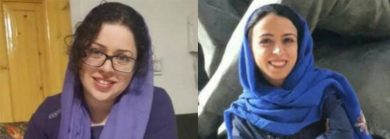
Since the death of Mahsa Jina Amini in September 2022, Iran’s streets, universities, and workplaces have become epicenters of defiance. The protests, led by women and supported by a broad cross-section of Iranian society, have drawn global attention. Yet, outside observers often misinterpret their nature, goals, and challenges. Misinformation, shallow media coverage, and the Iranian regime’s disinformation campaigns have muddied understanding.
This report identifies ten key misconceptions about Iran’s protests—and presents the reality from inside the movement.
1. Misconception: These Are Only About the Hijab
The Myth
Western headlines often reduce Iran’s uprising to a “fight over headscarves,” portraying it as a narrow cultural dispute.
The Truth
The hijab is a symbol of broader oppression—including gender apartheid, authoritarian rule, economic injustice, and ethnic discrimination. Protesters are calling for systemic change: an end to the Islamic Republic’s political structure, not just reforming a single law. The slogan “Woman, Life, Freedom” is about total liberation.
“This is about life itself—how we live, how we breathe, how we dream.” — Ava, student activist, Tehran.
2. Misconception: The Protests Lack Organization
The Myth
Because there is no single leader or political party in charge, many assume the movement is “chaotic” or “spontaneous.”
The Truth
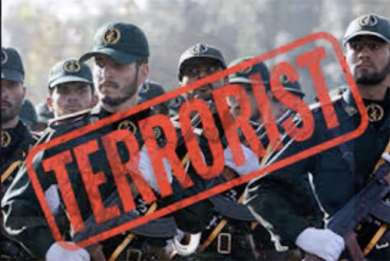
Iran’s protesters are highly networked and strategic. They use encrypted apps, localized leadership cells, and decentralized planning to avoid infiltration by the IRGC’s intelligence units. This leaderless model is an intentional survival strategy, learned from past uprisings.
3. Misconception: It’s Just the Youth
The Myth
Media images focus on young women confronting security forces, creating the impression this is only a youth movement.
The Truth
While Gen Z is at the forefront, all generations are involved: teachers, oil workers, retirees, lawyers, and doctors. Many older Iranians see these protests as a continuation of struggles they began decades earlier.
4. Misconception: It’s Urban-Centric
The Myth
Coverage often centers on Tehran or other major cities, implying protests are limited to metropolitan elites.
The Truth
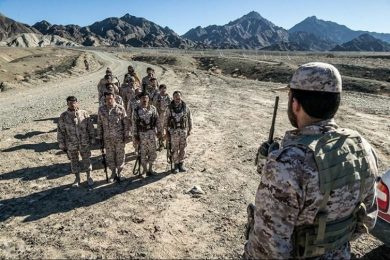
Some of the most intense protests occur in rural and ethnic minority regions—Kurdistan, Sistan-Baluchistan, Khuzestan—where repression is harshest. These areas face severe economic neglect and heavy IRGC militarization, making their resistance even more remarkable.
5. Misconception: Change Will Be Quick
The Myth
Some believe that mass protests will topple the regime in weeks, as seen in other parts of the world.
The Truth
Iran’s regime has spent four decades perfecting a repression apparatus—from the IRGC and Basij to digital surveillance. While protests can shake the system, dismantling it requires sustained pressure, economic disruption, international isolation, and persistent organization.
6. Misconception: The Regime Has Popular Support
The Myth
State TV broadcasts pro-government rallies, leading outsiders to believe the Islamic Republic enjoys strong grassroots backing.
The Truth
These rallies are stage-managed: attendance is often coerced (threat of job loss, expulsion from school) and carefully filmed to exaggerate support. Independent polling and mass participation in protests show the majority wants political change.
7. Misconception: Sanctions Are the Protesters’ Biggest Enemy
The Myth
Some argue Western sanctions harm protesters more than the regime, implying they are the primary cause of unrest.
The Truth
Economic hardship fuels protests, but corruption, IRGC monopolies, and regime mismanagement are the real culprits. Many activists support targeted sanctions on IRGC leaders and affiliated companies—tools that weaken repression without harming civilians.
8. Misconception: The Diaspora Is Detached
The Myth
Critics claim the Iranian diaspora is out of touch with realities inside Iran and only engages in symbolic activism.
The Truth
The diaspora has been vital in amplifying voices, funding secure communication tools, lobbying for sanctions, and documenting abuses. Activists in exile often collaborate directly with organizers inside Iran, forming a transnational resistance network.
9. Misconception: It’s Only About Domestic Politics
The Myth
Some observers view the protests as isolated from broader geopolitics.
The Truth
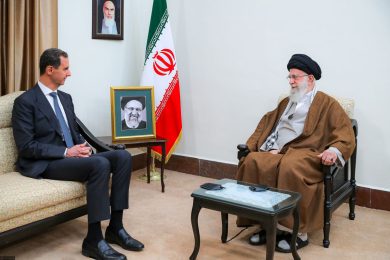
The IRGC’s foreign interventions—funding militias in Lebanon, Syria, Iraq, and Yemen—drain resources and heighten domestic anger. Protesters often link their struggle to ending these costly proxy wars and focusing on Iranian needs.
10. Misconception: The Movement Will Fade Without Immediate Victory
The Myth
Because large-scale street protests ebb and flow, outsiders assume the movement is dying.
The Truth
Resistance is multi-layered: when street protests quiet, strikes, boycotts, cultural defiance, and digital campaigns continue. Every wave builds on the last, eroding the regime’s legitimacy and capacity to govern.
Conclusion
Misreading Iran’s protests risks underestimating their power and misunderstanding their needs. The movement is not about a single law or moment—it’s about a complete transformation of Iranian society. It is organized, resilient, and rooted in decades of resistance.
Join Our Newsletter!
Stay informed with the latest updates, news, and ways to take action in the fight for justice and global security. Sign up now to get updates delivered straight to your inbox!