1. The IRGC is just a military unit
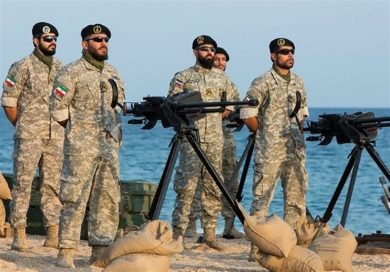
Far from being a conventional military force, the IRGC spans economy, politics, security, intelligence, and ideological control—with broad domestic and global impact.
2. Sanctions alone will stop the IRGC
While sanctions put pressure on Iran’s economy, the IRGC survives—and even thrives—through sanction evasion, front companies, shadow banking, and oil smuggling via ghost fleets.
3. The IRGC isn’t involved in terrorism
Contrary to soft portrayals, the IRGC is a major hub of terrorism, arming and funding groups like Hezbollah, Hamas, Houthis, and coordinating state-sponsored kidnappings and assassinations abroad.
4. It answers to civilian government
Though framed as loyal to the Supreme Leader, the IRGC wields autonomous authority, operating above state institutions—with its own courts, revenue streams, and intelligence networks.
5. Labeling it a terrorist group bans everything
Designating the IRGC as a terrorist organization doesn’t shut all communication with Iran—but disrupts its funding networks, exposes asset holders, and criminalizes support globally.
6. It’s a monolithic, ideologically uniform force
There are internal IRGC factions—some more reformist, others hardline. These divisions influence decisions over economic dominance, military tactics, and diplomacy.
7. The IRGC doesn’t affect your daily life
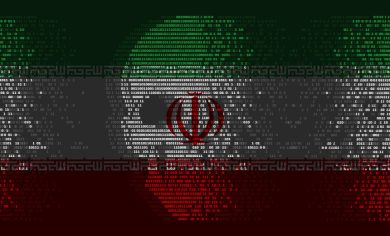
Its reach extends far beyond Iran—it threatens shipping in the Red Sea, meddles in foreign elections, and compromises digital security through cyber warfare.
8. It’s only strong because of oil
Though revenue from oil is vital, the IRGC’s dominance also comes from massive infrastructure contracts (via Khatam al-Anbiya), black-market profits, and cyber operations.
9. Reform inside Iran can tame the IRGC
Efforts at moderate reform have repeatedly failed—as long as the IRGC’s structural autonomy and financial empire remain intact, it continues to compress democracy from within.
10. It’s invincible and permanent
Despite appearances, the IRGC’s power depends on sanction resistance, global pressure, legal accountability, and internal fault lines. With coordinated action, its influence can be chipped away.
Conclusion & Way Forward
To effectively confront the IRGC, we need:
• A holistic strategy: combining targeted designations, sanctions enforcement, legal accountability, and civil society support
• Broader public awareness about the IRGC’s reach
• Coordinated international pressure across diplomacy, finance, and media
Join Our Newsletter!
Stay informed with the latest updates, news, and ways to take action in the fight for justice and global security. Sign up now to get updates delivered straight to your inbox!