The Islamic Revolutionary Guard Corps (IRGC) is not just a military entity—it is the backbone of Iran’s shadow economy. Far beyond the battlefield, the IRGC has embedded itself in nearly every sector of Iranian economic life, from oil and construction to telecommunications, banking, and illicit trade. It is a state within a state, an armed conglomerate with billions in assets and no transparency.
In this article, we follow the money: exposing how the IRGC profits from Iran’s economy, how it shields its wealth through front companies, and why any real reform in Iran must begin with dismantling the IRGC’s financial empire.
1. The Origins of Economic Power
The IRGC’s economic ambitions date back to the end of the Iran-Iraq War in 1988. With Iran’s economy in shambles, the regime entrusted the IRGC with reconstruction efforts—giving it access to vast public contracts, land, and resources.
Instead of rebuilding for the people, the IRGC built for itself.
It established Khatam al-Anbiya Construction Headquarters, its engineering arm, which quickly became one of the largest contractors in the Middle East. This military-owned conglomerate won no-bid contracts worth billions—often from the state itself.
By the 2000s, the IRGC had expanded into:
• Energy and Oil Infrastructure
• Telecommunications (e.g., acquisition of Mobin Trust Consortium)
• Airports, Roads, and Ports
• Banking and Financial Institutions
And the public had no say. Nor did Parliament.
2. Sanctions: A Business Opportunity
While sanctions were meant to weaken the regime, the IRGC turned them into an opportunity. Cut off from global financial systems, Iran needed smugglers, middlemen, and shadow financiers. The IRGC stepped in.
Using shell companies in:
• Dubai
• Turkey
• Lebanon
• Malaysia
The IRGC built a parallel financial system to move oil, weapons, and money. It engaged in:
• Currency manipulation
• Gold-for-oil schemes
• Sanctions evasion networks
In effect, the IRGC became Iran’s economic mafia, controlling both legal and illegal flows of capital. It taxed the people while hoarding profits for its elite.
3. IRGC-Controlled Industries: An Empire Within
Oil and Gas
Through Khatam al-Anbiya and affiliated firms, the IRGC has secured massive oil and gas contracts—often without public bidding. They control key pipelines, refineries, and even portions of the National Iranian Oil Company (NIOC).
Banking
IRGC-linked entities like Mehr Bank and Ansar Bank act as financial arms for laundering and storing its profits. These banks also offer exclusive services to IRGC affiliates while exploiting state subsidies.
Telecommunications
Mobin Trust Development, closely tied to the IRGC, acquired a majority share in the Telecommunication Company of Iran in 2009. This gives them control not just of profits—but surveillance capabilities over millions of citizens.
Construction and Real Estate
The IRGC has cornered urban development contracts in major cities, using front companies to seize land, evict residents, and build luxury projects only the elite can afford.
4. The People Pay the Price
While the IRGC rakes in billions, ordinary Iranians struggle with:
• Record inflation
• Currency collapse
• Widespread unemployment
• Unaffordable housing
The IRGC’s monopolization has crowded out the private sector, stifled competition, and prevented Iran from integrating into global markets. Young entrepreneurs leave. Businesses fail. Corruption flourishes.
A 2022 World Bank report indicated that Iran’s economy could grow significantly if military-owned monopolies were dismantled. But that would threaten the IRGC’s grip.
So the people remain poor—and the generals grow richer.
5. Global Networks and Front Companies
The IRGC’s economic tentacles reach far beyond Iran.
Through networks of front companies, shell firms, and partnerships, it operates in:
• Europe (often via dual-use tech acquisitions)
• Africa (construction and arms sales)
• Latin America (energy and mining)
• East Asia (smuggling and cyber operations)
Many of these businesses are registered under seemingly private names. Their revenues fund:
• Terrorist proxies (Hezbollah, Houthis)
• Surveillance tech
• Missile development
• Suppression of domestic dissent
Naming and sanctioning these companies is essential—but difficult, given their opaque ownership structures.
6. Economic Terror as Domestic Policy
The IRGC uses its financial power not just for enrichment—but for control.
Subsidy Control
IRGC affiliates influence which neighborhoods get subsidized fuel, internet, and food—using it to reward loyalty or punish dissent.
Business Permits
Independent business owners are often forced to bribe IRGC-linked “inspectors” for permits or protection.
Privatization Scam
Under the guise of “privatization,” state assets are transferred to IRGC-linked entities—often at below-market prices, without oversight.
This isn’t just corruption—it’s economic warfare against the people.
7. Resistance from Within and Without
Despite the risks, some Iranian journalists, economists, and even ex-officials have tried to expose the IRGC’s economic empire. Many have been silenced, imprisoned, or exiled.
Diaspora researchers
Groups like the Foundation for Defense of Democracies, United Against Nuclear Iran, and independent Iranian analysts have published in-depth investigations mapping IRGC-linked companies and real estate holdings abroad.
Civil society
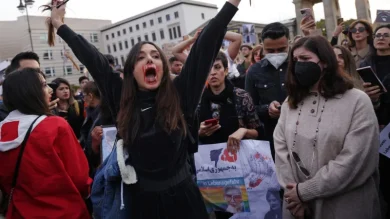
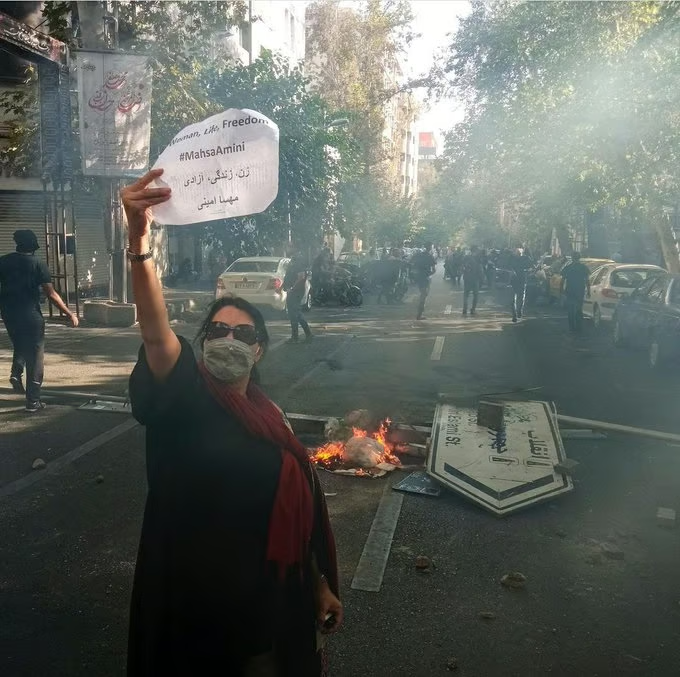
Protests often target IRGC economic symbols—gas stations, construction sites, telecom buildings—reflecting the public’s growing understanding of the IRGC’s parasitic role.
8. Why Designation Matters
Sanctions alone are not enough. The IRGC must be:
• Formally designated a terrorist organization by the EU, UK, and other democracies (following the U.S. model)
• Banned from accessing global financial systems
• Barred from doing business via subsidiaries
Terrorist designation gives law enforcement and international bodies the tools to:
• Freeze assets
• Prosecute enablers
• Disrupt financial networks
• Pressure global firms to divest
It is a moral and strategic step—both to support Iranians and to dismantle a transnational threat.
Conclusion
The IRGC has hijacked Iran’s economy, siphoning the nation’s wealth to fund terror, suppression, and self-enrichment. Reform in Iran—and regional stability—cannot occur without dismantling this empire.
Join Our Newsletter!
Stay informed with the latest updates, news, and ways to take action in the fight for justice and global security. Sign up now to get updates delivered straight to your inbox!