The fight for freedom in Iran does not stop at its borders. While the Islamic Revolutionary Guard Corps (IRGC) cracks down inside the country—with arrests, executions, and mass surveillance—the Iranian diaspora has emerged as a powerful force for change abroad.
From Toronto to Berlin, Los Angeles to Sydney, Iranians in exile are mobilizing their resources, skills, and freedoms to amplify the voices of those inside Iran. This transnational movement is keeping the revolution alive, transforming hashtags into human rights advocacy, and turning grief into global action.
This resource guide explores the diaspora’s strategies, organizations, and tools—showing how anyone can join this fight for justice.
1. Why the Diaspora Matters
1.1 Breaking the State’s Information Blockade
Inside Iran, the IRGC controls the media, filters the internet, and arrests journalists. The diaspora acts as a bridge—translating, publishing, and amplifying real-time updates from the ground.
1.2 Lobbying Without Fear
Unlike activists in Iran, the diaspora can lobby parliaments, speak at the UN, and organize public campaigns without fear of immediate imprisonment—making them a crucial advocacy arm.
1.3 Resource Mobilization
The diaspora funds digital tools (VPNs, encrypted messaging), supports families of prisoners, and bankrolls legal campaigns against regime officials.
2. Global Hubs of Resistance
2.1 Toronto
Nicknamed Tehranto for its large Iranian community, Toronto is a hub for rallies, cultural events, and political lobbying.
• Groups like Iranian Justice Collective and Woman Life Freedom Toronto organize weekly protests outside consulates and MP offices.
• Activists have pushed Canada toward designating the IRGC as a terrorist organization.
2.2 Los Angeles
Home to the largest Iranian population outside Iran, LA’s “Tehrangeles” hosts major solidarity marches and celebrity-backed campaigns.
• The Iranian American Women Foundation works with Hollywood to amplify Iranian women’s stories.
• Persian-language TV and radio here reach millions inside Iran via satellite.
2.3 Berlin
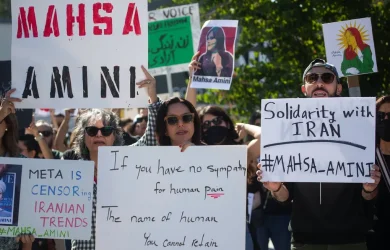
Berlin has become a European protest capital, drawing hundreds of thousands for Woman, Life, Freedom demonstrations.
• The European Iranian Diaspora Network coordinates lobbying across EU countries for sanctions and IRGC designation.
3. Key Tactics and Strategies
3.1 Digital Amplification
Diaspora activists:
• Use Twitter, Instagram, and TikTok to spread protest footage.
• Translate Persian updates into multiple languages.
• Use trending hashtags (#MahsaAmini, #IRGCTerrorists) to push stories into global feeds.
3.2 Political Lobbying
Actions include:
• Meeting with MPs, senators, and EU representatives.
• Submitting petitions for sanctions, prisoner releases, and IRGC designation.
• Providing policy briefings backed by verified data from Iran.
3.3 Cultural Resistance
Art, film, and literature by diaspora creators humanize the movement.
• Photo exhibitions on protests.
• Music performances honoring martyrs.
• Street murals in Western cities depicting Iranian women and political prisoners.
4. Organizations to Know
• Justice for Iran – Investigates human rights abuses and supports legal cases under universal jurisdiction.
• United for Iran – Develops digital tools to bypass censorship.
• Center for Human Rights in Iran (CHRI) – Monitors and reports on abuses, influencing policymakers.
• Iranian Diaspora Collective – Media campaigns targeting non-Iranian audiences to sustain awareness.
5. Legal Action: Holding the IRGC Accountable Abroad
Diaspora-led legal efforts are increasing:
• Sweden’s Hamid Nouri trial for 1988 prison massacres.
• German and UK universal jurisdiction cases for protester killings.
• Pushes for the International Criminal Court to investigate crimes against humanity.
Activists often work with:
• International lawyers.
• Human rights NGOs.
• Witnesses smuggled out of Iran or contacted via encrypted networks.
6. Funding Resistance
Diaspora fundraising has supported:
• VPN and digital security for activists inside Iran.
• Legal defense for political prisoners.
• Families of killed protesters.
• Campaign ads targeting policymakers in Western capitals.
Methods include crowdfunding platforms, benefit concerts, art auctions, and direct donations to trusted NGOs.
7. Risks of Activism Abroad
The IRGC’s reach is transnational. Diaspora activists face:
• Online harassment by regime bots.
• Surveillance at rallies by suspected agents.
• Threats to family members in Iran.
• Cyberattacks on personal devices and social media accounts.
Security tips:
• Use encrypted messaging (Signal, Wire).
• Avoid sharing personal addresses online.
• Work in coordinated groups with legal support.
8. How Non-Iranians Can Support
• Share verified news and amplify diaspora voices.
• Contact local representatives about IRGC designation.
• Attend rallies in solidarity.
• Donate to vetted human rights organizations.
• Host cultural events or screenings to raise awareness.
9. Measuring Impact
Diaspora activism has already achieved:
• IRGC terrorist designation in Canada (2024).
• EU sanctions on IRGC officials and companies.
• International media coverage of prisoner abuse cases.
• Increased global recognition of “Woman, Life, Freedom” as a freedom movement.
Conclusion
From Tehran to Toronto, the fight for freedom is a joint effort between those risking their lives on the streets of Iran and those amplifying them abroad.
The Iranian diaspora is proving that exile does not mean silence. It means new battlegrounds—parliaments, press rooms, city squares—and new weapons: truth, culture, and relentless advocacy.
Join Our Newsletter!
Stay informed with the latest updates, news, and ways to take action in the fight for justice and global security. Sign up now to get updates delivered straight to your inbox!