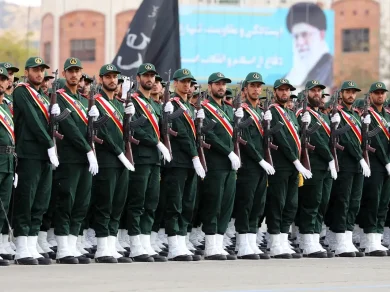
The Islamic Revolutionary Guard Corps (IRGC) is no stranger to impunity. For decades, it has operated with relative freedom—suppressing dissent, torturing detainees, and conducting extrajudicial operations both inside Iran and abroad. Yet a growing threat looms over its commanders and torturers—not from within Iran, but from international courts. This threat is called universal jurisdiction.
Often overlooked by mainstream coverage, universal jurisdiction (UJ) has quietly become one of the most powerful legal tools against perpetrators of mass atrocity. And for the IRGC, it’s a ticking time bomb. This analysis will break down what universal jurisdiction is, how it’s being used against the IRGC, and why it is one of the few mechanisms that truly terrifies Iran’s most powerful security institution.
1. What Is Universal Jurisdiction?
Definition: Universal jurisdiction is a legal principle allowing a state to prosecute individuals for serious crimes regardless of where the crime was committed, the nationality of the perpetrator, or the nationality of the victims.
It is typically applied to:
• Crimes against humanity
• War crimes
• Genocide
• Torture
• Enforced disappearances
• Extrajudicial executions
UJ recognizes that some crimes are so grave they violate the entire international community, obligating any nation to act.
2. The Legal Basis for UJ
The legal foundation of UJ comes from:
• Geneva Conventions
• UN Convention Against Torture
• Rome Statute of the International Criminal Court (ICC)
• Domestic laws of certain countries like Germany, Sweden, Norway, and Canada, which allow prosecution even if the crime occurred elsewhere.
These frameworks empower national courts to open investigations and conduct trials when:
• The accused is present on their soil
• Victims reside in the host country (e.g., exiles, refugees)
• The crime is documented and meets the gravity threshold
3. Why the IRGC Fears Universal Jurisdiction
Unlike traditional diplomacy or sanctions, UJ bypasses state protection. It:
• Targets individuals, not just institutions
• Requires no permission from the regime being investigated
• Exposes networks of abusers through evidence and testimony
• Leads to real prosecutions and convictions
The IRGC is especially vulnerable because:
• Many of its former commanders and operatives travel abroad
• The regime increasingly loses control over exiles who possess testimony, documents, and digital evidence
• Its crimes—torture, rape, executions, disappearances—clearly fall within UJ’s scope
UJ strips away sovereignty as a shield. That’s what makes it revolutionary—and dangerous for criminals.
4. Case Study: The Hamid Nouri Trial in Sweden
In 2019, Swedish authorities arrested Hamid Nouri, an Iranian official linked to the 1988 prison massacres. He was charged with:
• War crimes
• Crimes against humanity
The evidence included:
• Survivor testimonies
• Prisoner lists
• Command structure data
• International documentation
In 2022, Sweden sentenced Nouri to life imprisonment.
This trial made history:
• First time a former Islamic Republic official was convicted under UJ
• Created a blueprint for other prosecutions
• Inspired victims and families across the diaspora
For the IRGC, it proved one chilling fact: they can run, but they can’t hide.
5. IRGC Crimes Eligible for Universal Jurisdiction
a. Torture and Rape in Detention
IRGC-run prisons (like Evin, Fashafuyeh, and Qarchak) are infamous for:
• Physical and psychological torture
• Sexual violence
• Solitary confinement exceeding international limits
b. Extrajudicial Killings and Executions
IRGC has overseen:
• 1988 massacre
• November 2019 protests: over 1,500 civilians killed
• Targeted executions of Kurdish, Baluchi, and Sunni activists
c. Transnational Repression
Operations include:
• Assassination plots in Turkey, Germany, and the U.S.
• Surveillance of journalists and activists abroad
• Kidnapping or threatening relatives of exiles
d. War Crimes via Proxies
Through the Quds Force, the IRGC funds and directs:
• Hezbollah in Lebanon
• Houthis in Yemen
• Shiite militias in Iraq and Syria
These proxies often commit war crimes with IRGC logistical support—placing responsibility on commanders.
6. Countries Already Using UJ Against Iran
Country
Notable Use of UJ
IRGC-Relevant Cases
Sweden
Hamid Nouri trial
Future cases may include Evin officials
Germany
Syrian torture trial; open to Iranian cases
German-Iranian victims have filed complaints
France
Civil society lawsuits filed
Activist cases against IRGC-linked repression
Canada
PS752 victims filing suits
Terror financing and torture claims rising
Belgium
Assadi bombing plot trial
IRGC-QF links implicated indirectly
The use of UJ is spreading. As legal precedents grow, IRGC operatives face escalating risk of arrest abroad.
7. Role of the Iranian Diaspora
Universal jurisdiction relies heavily on:
• Survivor testimony
• Archived documents
• Medical reports
• Family accounts of torture or execution
The Iranian diaspora has mobilized:
• Legal NGOs: Justice for Iran, Iran Human Rights Documentation Center
• Digital evidence tools: @eyeWitnessOrg, @tella_org
• Advocacy coalitions: United for Justice, Victims of Flight PS752
By documenting crimes and assisting prosecutors, exiled Iranians are turning their trauma into legal power.
8. Challenges to Applying Universal Jurisdiction
UJ is powerful—but not perfect. Challenges include:
• Political interference (diplomatic pressure not to prosecute)
• Lack of political will in certain courts
• Difficulty in securing evidence and protecting witnesses
• Resource constraints for non-profit legal teams
• Time: cases often take years
Nonetheless, the Hamid Nouri trial proves it can work when persistence, survivor courage, and legal advocacy align.
9. How Governments Can Strengthen UJ Efforts Against the IRGC
a. Expand Designation Lists
Link UJ cases with terrorism designations of the IRGC to streamline legal justifications.
b. Create War Crimes Units
Invest in specialist prosecutors and analysts to fast-track documentation and trials.
c. Improve Diaspora Protection
Ensure whistleblowers, survivors, and exiles are protected from IRGC intimidation and spying.
d. Fund Legal NGOs
Provide public grants to support evidence-gathering, litigation, and survivor-centered advocacy.
e. Encourage Public Trials
Visibility matters. Public proceedings, livestreams, and reporting help break IRGC’s psychological hold.
10. Why This Strategy Works Long-Term
Unlike military intervention or sanctions, UJ:
• Has legal legitimacy
• Costs less
• Empowers victims
• Deterritorializes justice
• Damages IRGC morale
Each case shows IRGC elites that impunity is over. The message is clear: no uniform, no passport, no exile will protect you forever.
Conclusion: Justice Beyond Borders
For decades, the IRGC has acted with arrogance and impunity—fueled by oil money, guns, and fear. Universal jurisdiction flips the power structure. It elevates survivors. It builds legal memory. And it proves that justice is no longer trapped inside Iran’s borders.
Join Our Newsletter!
Stay informed with the latest updates, news, and ways to take action in the fight for justice and global security. Sign up now to get updates delivered straight to your inbox!