In most countries, art is celebrated as a form of culture, identity, and collective pride. In Iran under the Islamic Revolutionary Guard Corps (IRGC), it’s treated as a dangerous weapon—because it is. From music and film to graffiti and performance art, creativity has become a primary language of dissent against the regime’s repression.
The IRGC understands something that many in the outside world often overlook: art inspires, unites, and mobilizes people in ways that political speeches cannot. That’s why it censors, co-opts, and violently suppresses creative expression—especially art that challenges state ideology or amplifies the voices of women, youth, and marginalized communities.
This report examines how Iran’s creative resistance works, why the IRGC sees it as a threat, and how artists are fighting back despite censorship, surveillance, and exile.
1. The IRGC’s Grip on Culture
1.1 Culture as an Ideological Battlefield
Since the 1979 revolution, the Iranian regime has sought to control cultural production. Through the Ministry of Culture and Islamic Guidance, the IRGC and allied clerics vet films, songs, plays, and exhibitions. The goal is not just to block “immoral” works but to actively promote propaganda.
1.2 The Basij as Cultural Enforcers
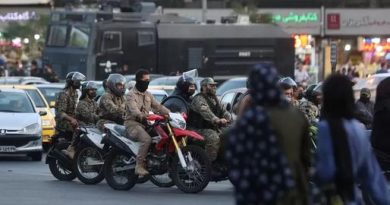
The Basij, the IRGC’s volunteer militia, plays a central role in policing the arts. They raid galleries, arrest performers, shut down concerts, and monitor online creative spaces. Their targets often include:
• Female musicians and dancers
• Artists addressing political repression
• Creators spotlighting ethnic or religious minorities
2. Why the Arts Scare the IRGC
The IRGC’s fear stems from art’s ability to bypass official narratives and resonate emotionally with people across ideological divides.
Key reasons:
1. Accessibility – Art crosses literacy, class, and language barriers.
2. Virality – In the digital age, one image or song can ignite nationwide protest.
3. Collective Identity – Art can unify diverse opposition movements under shared symbols.
4. International Attention – Creative works can mobilize global solidarity faster than policy reports.
“A painting can’t be cross-examined. A song can’t be silenced in people’s minds.” — Exiled Iranian visual artist, Paris
3. Frontlines of Creative Resistance
3.1 Music and Song
• Underground rap and hip-hop directly challenge corruption, sexism, and authoritarianism.
• Artists like Toomaj Salehi have been arrested and tortured for lyrics supporting the 2022 protests.
• Female singers record and share music online despite bans, often using pseudonyms to avoid arrest.
3.2 Street Art and Graffiti
• Murals of Mahsa Amini, Neda Agha-Soltan, and other protest martyrs appear overnight on Tehran walls.
• Anonymous artists like Black Hand use stencils to create anti-regime imagery in public spaces, quickly photographed and shared before removal.
3.3 Film and Theater
• Filmmakers such as Jafar Panahi and Mohammad Rasoulof have produced internationally acclaimed works critical of repression, often smuggled out of Iran.
• Underground theater groups stage plays in private homes, focusing on women’s rights, political prisoners, and censorship.
3.4 Literature and Poetry
• Dissident writers use allegory to critique the regime while evading censorship.
• Poems from prison—smuggled out by lawyers or family—circulate globally, becoming rallying cries for human rights campaigns.
3.5 Digital and Multimedia Art
• Social media platforms act as alternative galleries, streaming spaces, and concert halls.
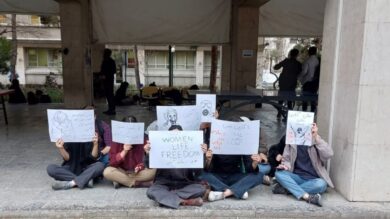
• Digital illustrators create viral images for hashtags like #WomanLifeFreedom.
4. Case Studies: Art as Catalyst
1: “Baraye” by Shervin Hajipour
The song, based on social media posts about why Iranians protest, became an anthem of the Woman, Life, Freedom movement.
The IRGC arrested Hajipour days after its release—but not before it was shared millions of times globally.
2: Mahsa Amini Murals
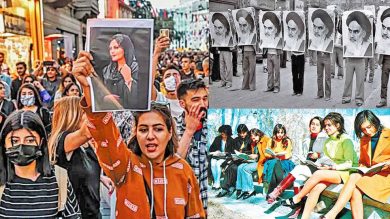
Images of Mahsa, who died in morality police custody in 2022, have been painted on walls from Tehran to Berlin. These visuals transcend borders and keep her memory alive.
3: Prison Letters
Political prisoners like Narges Mohammadi have smuggled letters describing torture and repression. These writings inspire global campaigns and literary adaptations.
5. IRGC Tactics Against Artists
The IRGC uses a mix of legal, physical, and psychological repression:
• Arrests & Detentions – Artists are often held without trial or charged with vague crimes like “propaganda against the state.”
• Censorship – Works are banned, confiscated, or destroyed.
• Surveillance – Cyber units monitor online uploads and IP addresses.
• Intimidation – Families are threatened to pressure artists into silence.
• Co-optation – State-backed festivals and awards promote pro-regime art.
6. The Role of Women in Cultural Resistance
Women are at the forefront of Iran’s creative defiance:
• Photographers capture unveiled women in public protests.
• Dancers post performances online despite legal bans.
• Writers document life under gender apartheid from within prison walls.
Their art is not just creative—it’s revolutionary, challenging both political oppression and patriarchal control.
7. The Diaspora’s Creative Front
Exiled Iranian artists play a critical role in:
• Preserving censored works
• Organizing exhibitions and concerts abroad
• Collaborating with human rights groups to amplify political messages
• Funding underground artists inside Iran
From Los Angeles to Berlin, diaspora-led initiatives like the Iranian Diaspora Arts Collective connect global audiences with resistance art.
8. International Response and Responsibility
While global audiences admire Iranian resistance art, concrete support is often lacking. Needed measures include:
• Asylum & Artist Visa Programs for at-risk creatives
• Funding for independent Iranian cultural projects
• International exhibitions spotlighting censored works
• Sanctions on IRGC-linked cultural institutions
9. Art as a Weapon for the Future
The IRGC fears the arts because it knows that regimes fall not only to armies, but to ideas. Every banned song, erased mural, and confiscated manuscript lives on digitally and internationally.
The battle is not just for freedom of expression—it’s for the soul of Iranian identity.
Conclusion
The IRGC can imprison artists, burn canvases, and delete files, but it cannot erase the emotions they spark or the movements they inspire. As long as Iranians create, the vision of a free and just Iran remains alive.
The creative resistance is proof that art is more than decoration—it is defiance, unity, and hope.
Join Our Newsletter!
Stay informed with the latest updates, news, and ways to take action in the fight for justice and global security. Sign up now to get updates delivered straight to your inbox!