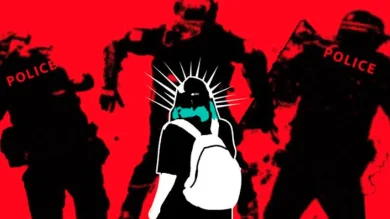
The “Woman, Life, Freedom” movement, ignited in September 2022 after the tragic death of Mahsa (Jina) Amini, represents a profound shift in Iran’s struggle for justice. What began as a reaction to mandatory hijab enforcement quickly became a nationwide and global movement—driven by women leading protests, shaping discourse, and defying the Islamic Republic and IRGC powers .
This resource examines how Iranian women have spearheaded political resistance, exploring what drives them, key figures, grassroots tactics, digital influence, global solidarity, state repression, and the movement’s broader impact.
1. Roots of Resistance: The Role of Women in Iran’s History
Women have long been central to Iran’s political awakening:
• Post-revolution protests in 1979 saw women tear off hijab veils, demanding freedom—planting seeds of defiance.
• During the Green Movement (2009), women played vital roles in organizing, documenting, and leading protests.
But the recent movement marks a deeper societal transformation: women have become the visible face of defiance—from streets to cyberspace .
2. Mahsa Amini’s Death: Catalyst for Feminist Revolution
Mahsa Amini’s brutal death under morality police custody sparked outrage and grief. Weeks later, death tolls surpassed 500, with over 22,000 arrested .
Her death transcended individual tragedy, becoming a symbol of Iran’s suppression. The slogan “Woman, Life, Freedom” fused feminist demands with political resistance—ushering in a “quiet revolution” .
3. Women at the Helm: Leadership in Action
a. Protest Frontlines
• Young women publicly cut hair, burned hijabs, and led chants against the regime .
• Scenes of brave girls defying guards became emblematic of the movement’s courage .
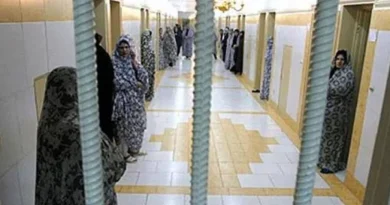
b. Female Political Prisoners
• Narges Mohammadi (Nobel laureate), Sepideh Gholian, Bahareh Hedayat, and others remain jailed for resisting the regime .
• Their hunger strikes and open letters from prison highlight women’s continued defiance .
c. Journalists and Intellectuals
• Elaheh Mohammadi and Niloofar Hamedi reported Mahsa’s death and funerals, earning global recognition despite arrest .
• They challenge the regime’s narratives and embolden social outreach.
4. Digital Mobilization: Online Resistance
Iranian women are shaping digital discourse:
• Hashtag campaigns (#WomanLifeFreedom) surged with posts by women, signaling change .
• Social scholars highlight how online activism given women digital platforms to discuss body politics, moral policing, and protest strategy .
Digital activism has elevated both grassroots protest and global awareness.
5. Global Solidarity and Symbolic Resistance
Iranian women activists have inspired international solidarity:
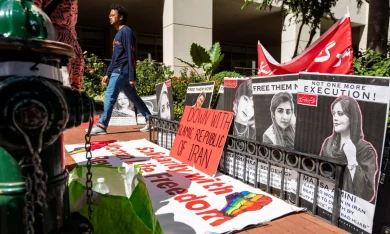
• Diaspora voices rallied for democracy, showcased murals (e.g., Houston’s Rice University mosaic) .
• UN and international organizations recognized state-crimes—sexual assault, killing of children—on women protesters .
• Grassroots groups (e.g., coalition of women’s NGOs) released policy demands including the “Women’s Bill of Rights” .
Their leadership reignited global activism.
6. State Repression: Gendered Violence
The IRGC and morality police enforce gendered repression:
• Women have been arrested, abused, blinded by security forces—more than 120 blinded last year alone .
• Crackdown includes sexual violence, forced confessions, job loss, and false charges like “propaganda” or “national security threats” .
• Medical professionals aiding protesters have been abducted and tortured (e.g., physician Aida Rostami was killed for treating protesters) .
7. Intersectional Feminism: Unity Across Divides
The leadership is rooted in intersectionality:
• Movement includes women from varied ethnic, religious, socioeconomic backgrounds—Kurdish, Baloch, Christian, Jew, Shia and Sunni .
• Unity across societal lines demonstrates that oppression is not segmented—it’s universal.
8. The Broader Impact: Beyond Hijab
Their demands stretch beyond ending hijab laws:
• Women have called for universal rights—education, employment, health, political freedom.
• Global community responded—Freedom House and Sakharov Prize awarded to the movement .
9. The Road Ahead: Sustaining Momentum
To sustain women’s leadership:
• Support jailed female activists (through sanctions, legal advocacy).
• Amplify global recognition of gender-based crimes (UN, civil society).
• Push for IRGC/IRGC commanders’ terrorist designations.
• Provide digital safety, relocation programs for threatened women leaders.
Empowering Iran’s women sustains the struggle for human rights.
Conclusion
Iranian women have turned personal grief into national resistance—driving a movement that transcends walls, media, and borders. By leading convincingly in Iran’s street, prison, and digital domains, they have reshaped Iran’s political identity.
From brave protest chants to powerful journalism and policy leadership, their actions remind us that real liberation begins with women’s freedom. Their insistence on “Woman, Life, Freedom” is not a slogan—it is the blueprint for a just, pluralistic, and sovereign Iran.
Join Our Newsletter!
Stay informed with the latest updates, news, and ways to take action in the fight for justice and global security. Sign up now to get updates delivered straight to your inbox!