Iran’s political history is marked by waves of protest—from the 1979 revolution to the student movements of the 1990s, the Green Movement in 2009, and the widespread unrest of 2019. But the protests ignited by the death of Mahsa Amini in September 2022 introduced a new phenomenon: a leaderless yet highly networked youth-led movement that has proven both resilient and globally visible.
Unlike earlier generations, these young leaders—many still in their teens or early twenties—have grown up with smartphones, VPNs, and an unfiltered view of the world. They are as comfortable in digital spaces as they are in the streets, using both to challenge the Islamic Revolutionary Guard Corps (IRGC) and its grip on society.
This resource explores the motivations, methods, risks, and global connections of Iran’s new generation of protest leaders, showing how they are reshaping the country’s resistance landscape.
Part I: The Context for a Youth-Led Movement
1.1 Generational Disillusionment
Iran’s youth face an environment of economic stagnation, political repression, and social restrictions.
• Unemployment: Rates among young graduates hover above 25%.
• Social Controls: Mandatory hijab laws, restrictions on gatherings, and pervasive surveillance limit personal freedom.
• Political Deadlock: Elections are tightly controlled, and reformist options have largely collapsed.
This has created a post-reformist generation that no longer believes incremental change is possible within the system.
1.2 The Role of Trigger Events
The Mahsa Amini case acted as a national spark. For young women, it embodied the daily fear and humiliation enforced by the morality police. For young men, it represented a broader injustice and authoritarian overreach.
In the past, protests often had clear leaders or organizations; this time, anger and coordination emerged horizontally, making the movement harder to dismantle.
Part II: Tactics of a Networked Generation
2.1 Leaderless Organization
Without central figures to target, the IRGC and security forces struggle to “decapitate” the movement. Coordination happens through:
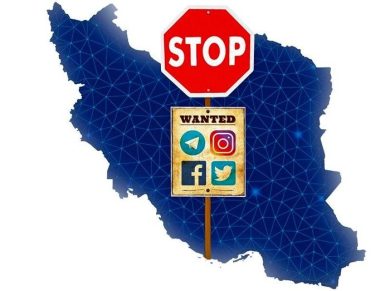
• Encrypted Messaging Apps like Signal and Telegram.
• Social Media Swarms to amplify calls for action.
• Local Cells that operate semi-independently.
2.2 Hybrid Protest Methods
Youth blend physical and digital resistance:
• Street Actions: Flash protests that disperse quickly before security forces arrive.
• Graffiti & Symbolism: Spray-painted slogans, murals of victims, and symbolic art.
• Digital Campaigns: Viral hashtags and global livestreams to capture attention.
2.3 International Amplification
The diaspora acts as a megaphone, translating and disseminating protest footage to foreign media. Young Iranians understand that visibility is a form of protection—footage of crackdowns can spark diplomatic pressure.
Part III: The Risks of Youth Leadership
3.1 Direct Repression
Young protesters face:
• Arrest, imprisonment, and torture.
• Death sentences for “enmity against God.”
• Expulsion from universities.
3.2 Digital Surveillance
The IRGC’s cyber units monitor social media, infiltrate private chats, and deploy spyware disguised as VPNs or messaging apps.
3.3 Psychological Toll
The strain of living under constant threat—while seeing friends arrested or killed—leads to burnout, trauma, and forced exile.
Part IV: The Role of Women and Girls
4.1 Women at the Vanguard
From removing hijabs in public to organizing marches, young women are not just participants—they are central organizers. Their defiance directly challenges one of the regime’s core ideological pillars.
4.2 Schoolgirls as Catalysts
Videos of teenage girls confronting pro-regime officials in classrooms shocked the world, showing that even minors are rejecting indoctrination.
Part V: Education as a Battlefield
5.1 University Protests
Iran’s campuses have long been hubs of dissent, but today’s students are more globally connected. They use campus strikes and sit-ins as both protest and recruitment tools.
5.2 Curriculum Resistance
Students and sympathetic teachers subtly resist ideological education, refusing to parrot regime propaganda in assignments or exams.
Part VI: Lessons from Past Movements
6.1 Green Movement Legacy
Many young protesters learned from the failures of the 2009 Green Movement:
• Avoiding over-reliance on charismatic leaders.
• Using multiple communication channels.
• Anticipating internet shutdowns.
6.2 2019 Fuel Protests
The brutal crackdown in 2019 taught the necessity of speed, adaptability, and decentralization.
Part VII: Global Solidarity Networks
7.1 Diaspora Activism
Young Iranians abroad:
• Host demonstrations in global capitals.
• Lobby for sanctions on IRGC officials.
• Create multilingual awareness campaigns.
7.2 International Allies
Youth movements in other countries—from Hong Kong to Belarus—share digital security tips and protest tactics with Iranian counterparts.
Part VIII: The IRGC’s Counter-Strategy
8.1 Divide and Conquer
Authorities try to sow mistrust within protest networks, using informants and fake social media accounts.
8.2 Co-Optation
Offering reduced sentences in exchange for public “repentance” videos, aiming to demoralize others.
8.3 Escalated Violence
Mass arrests, executions, and targeting of family members to intimidate activists.
Part IX: Future Prospects for Youth Leadership
9.1 Sustained Resistance
Even without immediate regime change, youth activism has:
• Shifted social norms.
• Weakened the fear barrier.
• Created a permanent undercurrent of dissent.
9.2 Institutional Impact
Universities, art scenes, and online communities have become semi-autonomous zones of political education.
Part X: How the World Can Help
10.1 Technology Access
Providing secure VPNs, encrypted devices, and satellite internet to protesters.
10.2 Political Pressure
Linking diplomatic engagement with Iran to the release of political prisoners and cessation of lethal force against protesters.
10.3 Legal Accountability
Using international courts to prosecute crimes against young protesters.
Conclusion
Iran’s youth are not waiting for permission to demand change. Their courage, creativity, and refusal to be silenced mark a historic shift in the country’s political landscape. Even under the IRGC’s heavy hand, this generation has transformed protest from an occasional event into an enduring, decentralized movement that refuses to fade.
Join Our Newsletter!
Stay informed with the latest updates, news, and ways to take action in the fight for justice and global security. Sign up now to get updates delivered straight to your inbox!